
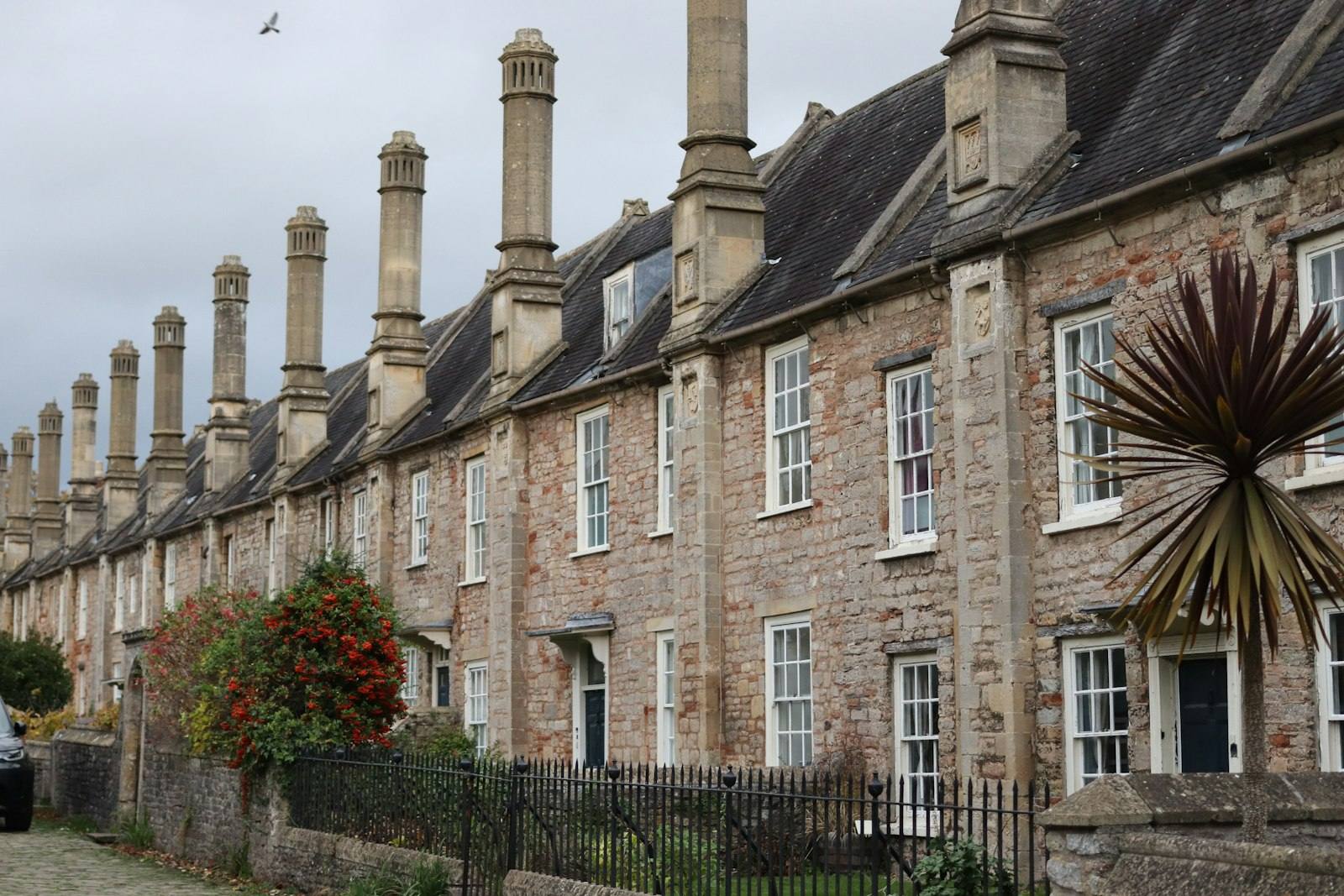
Older buildings
Buying a period or listed home.
Older buildings were made differently and age differently. Here is what a chartered surveyor looks for before you commit.
A Victorian terrace or a timber-framed cottage can be a rewarding place to live. It can also hide problems a modern house does not have. Most of them are manageable once you understand them. The aim of a survey is to make sure you do, before you exchange.
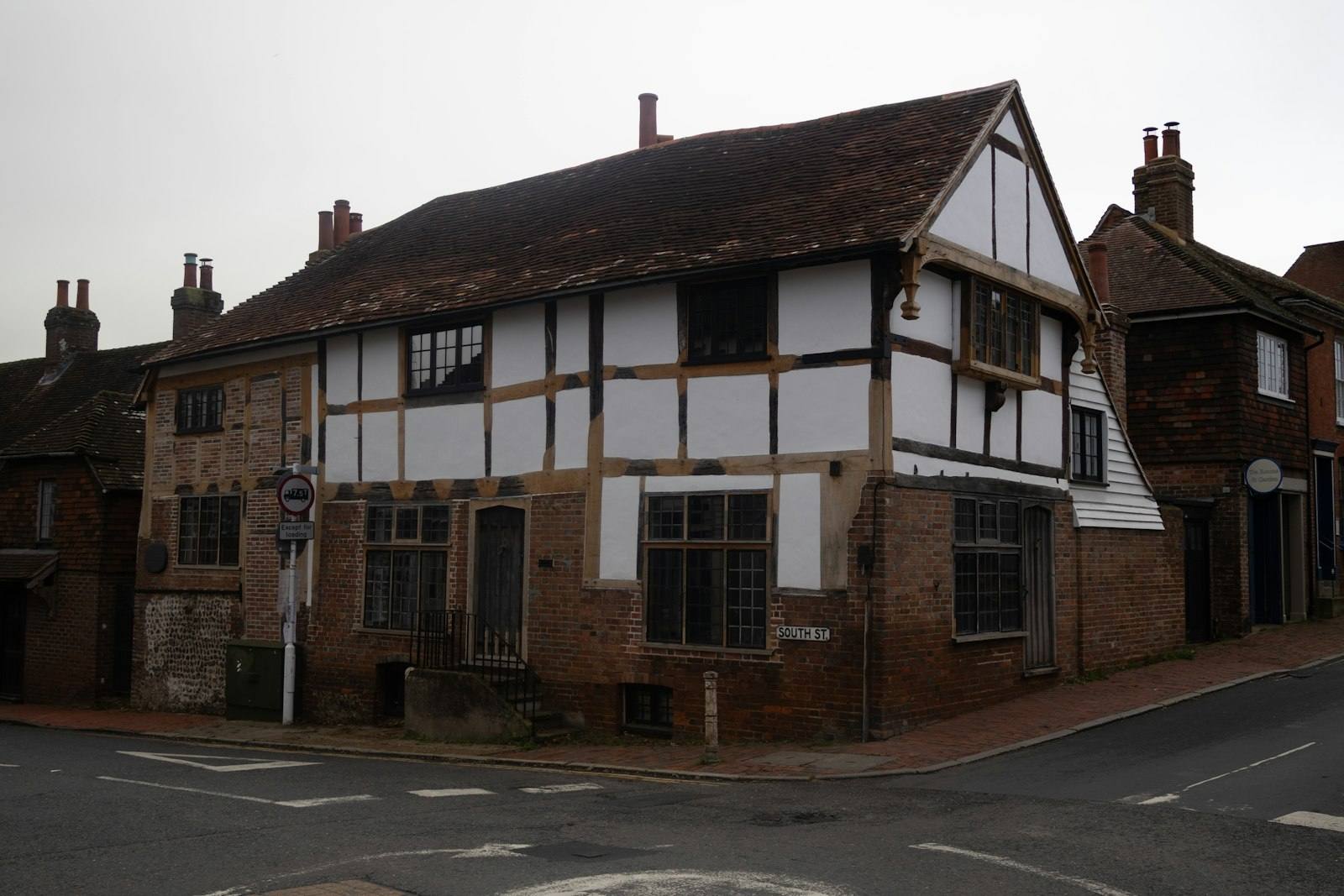
Why older buildings need a different eye
Most homes built before the 1920s have solid walls rather than cavity walls, often bedded and plastered in lime. These walls take up moisture in wet weather and release it again when conditions allow. That is how they were designed to work, not a fault. A surveyor assessing an older building needs to judge it on those terms, not against the standards of a new-build.
Modern repairs that cause damp
Some of the most common defects in period homes come from well-meant repairs. Cement pointing, cement render, plastic-based masonry paints and raised external ground levels can all trap moisture in a solid wall, leading to damp, decayed plaster, spalling brick and stone, and rot in timbers built into the wall. Chemical damp-proof injections are often recommended for older walls when the real cause lies elsewhere. A good survey identifies the likely source of moisture first, so you spend money on the cause rather than the symptom. Our guide on how surveyors check for damp covers this in more detail.
Roofs, chimneys and rainwater goods
Old slate and clay tile roofs are often sound in themselves but held on by fixings that have reached the end of their life, so slipped or missing slates are common. Lead valleys, flashings and gutters wear out and are expensive to reach. On chimney stacks, the mortar, flaunching and pots take the worst of the weather, and disused flues that have been sealed without ventilation can cause damp inside. Cast iron gutters and downpipes need regular maintenance, and a blocked or cracked one can do lasting damage to the wall below.
Timber in frames, floors and roofs
Floors, roofs and, in some houses, the whole structure are timber. Persistent leaks lead to wet rot, and in the wrong conditions to dry rot, while old infestation by wood-boring beetles is common and often no longer active. A surveyor will look for evidence of decay, past alterations that have cut through structural timbers, and areas that need opening up by a specialist to confirm their condition.
Movement in old buildings
Older houses often stand on shallow foundations, and many show signs of movement: out-of-level floors, distorted openings, or old cracks that have been filled. Much of it happened long ago and has since stabilised. The surveyor's job is to tell historic movement from movement that is still going on, and to recommend a structural engineer where the evidence is unclear. Our guide to red flags on a building survey explains the signs.
Services from another era
Wiring, heating and plumbing in older homes may have been replaced several times, or not at all. Older properties can still have lead water supply pipes. A surveyor cannot test services, but will flag anything that looks dated or unsafe and recommend testing by a qualified electrician or heating engineer before you commit.
If the building is listed
In England, listed buildings are graded I, II* or II. Listing protects the whole building, inside and out, and can extend to structures within its grounds. Works that affect its character need listed building consent from the local planning authority, and carrying out such works without consent is a criminal offence. Enforcement can be taken against the current owner, whoever did the work, so unauthorised alterations by a previous owner can become a buyer's problem. Your solicitor should check that consents exist for past alterations, and your surveyor will flag physical evidence of changes that may need it, such as replaced windows, removed walls or new openings.
Conservation areas
Many period homes sit within a conservation area, where planning controls are tighter than usual. Some areas also have Article 4 directions, which remove permitted development rights for things like replacing windows and doors. These do not usually stop a purchase, but they can affect the cost and timing of the work you have planned. Your solicitor's searches and the local authority's website will confirm what applies.
Which survey to choose
For an older, altered or listed home, an RICS Level 3 Building Survey is the right choice. It looks at the building in depth, explains the likely cause of each defect and sets out repairs that suit the way the building was made. Ask your surveyor about their experience with traditional construction, and if you are unsure which level you need, ask us and we will advise honestly.
Talk it through with a chartered surveyor.
Tell us about your property and we'll advise on the right survey honestly, then turn your report around fast.