
Know the warning signs
Red flags on a building survey.
Some findings are routine; others deserve real attention before you commit. Here is what a chartered surveyor watches for, and why.
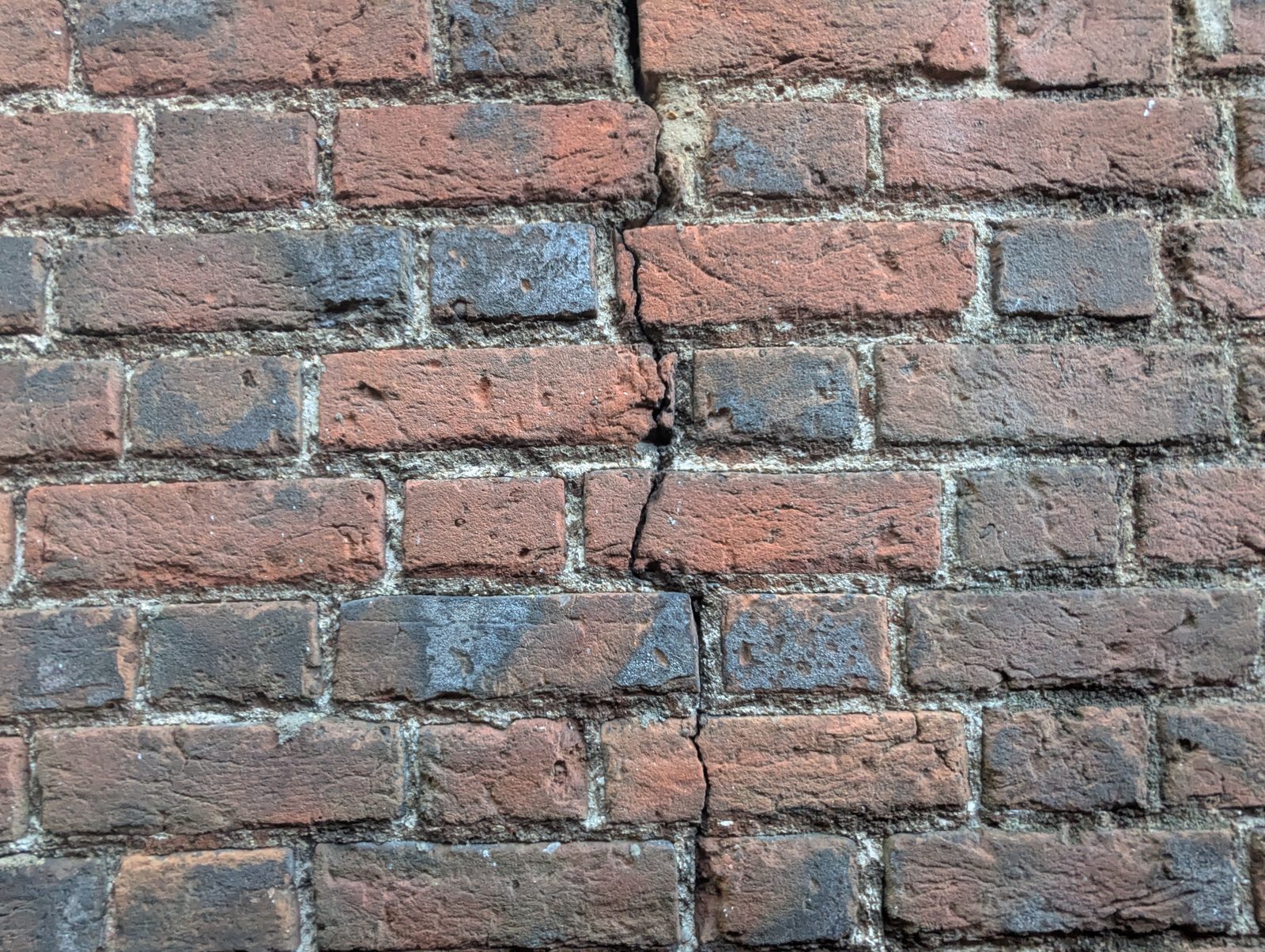
Some survey findings are routine; others are the kind that warrant real attention before you commit to a purchase. Here are the issues a chartered surveyor takes seriously on a Level 3 inspection, why they matter, and what they usually mean for you as a buyer.
Structural movement and cracking
Not all cracks are alarming. Many are old, stable and cosmetic. What a surveyor looks for is evidence of ongoing movement: diagonal cracking around openings, doors and windows that no longer close, or displacement that suggests subsidence, heave or foundation problems. Where movement may be active, a structural engineer's opinion is the right next step before you proceed.
Damp and its causes
Damp is one of the most common findings, and one of the most misunderstood. What matters is not just that damp is present but why: penetrating damp from a defective roof or wall, rising damp, or condensation from poor ventilation each have different causes and costs. Our guide on how surveyors check for damp explains how this is assessed.
Roof defects
The roof is expensive to put right and easy to overlook from the ground. Slipped or missing tiles, failed flashings, sagging roof lines and inadequate or absent insulation are all flagged. Where a roof cannot be safely accessed, a drone survey allows a close inspection without scaffolding.
Rot and timber decay
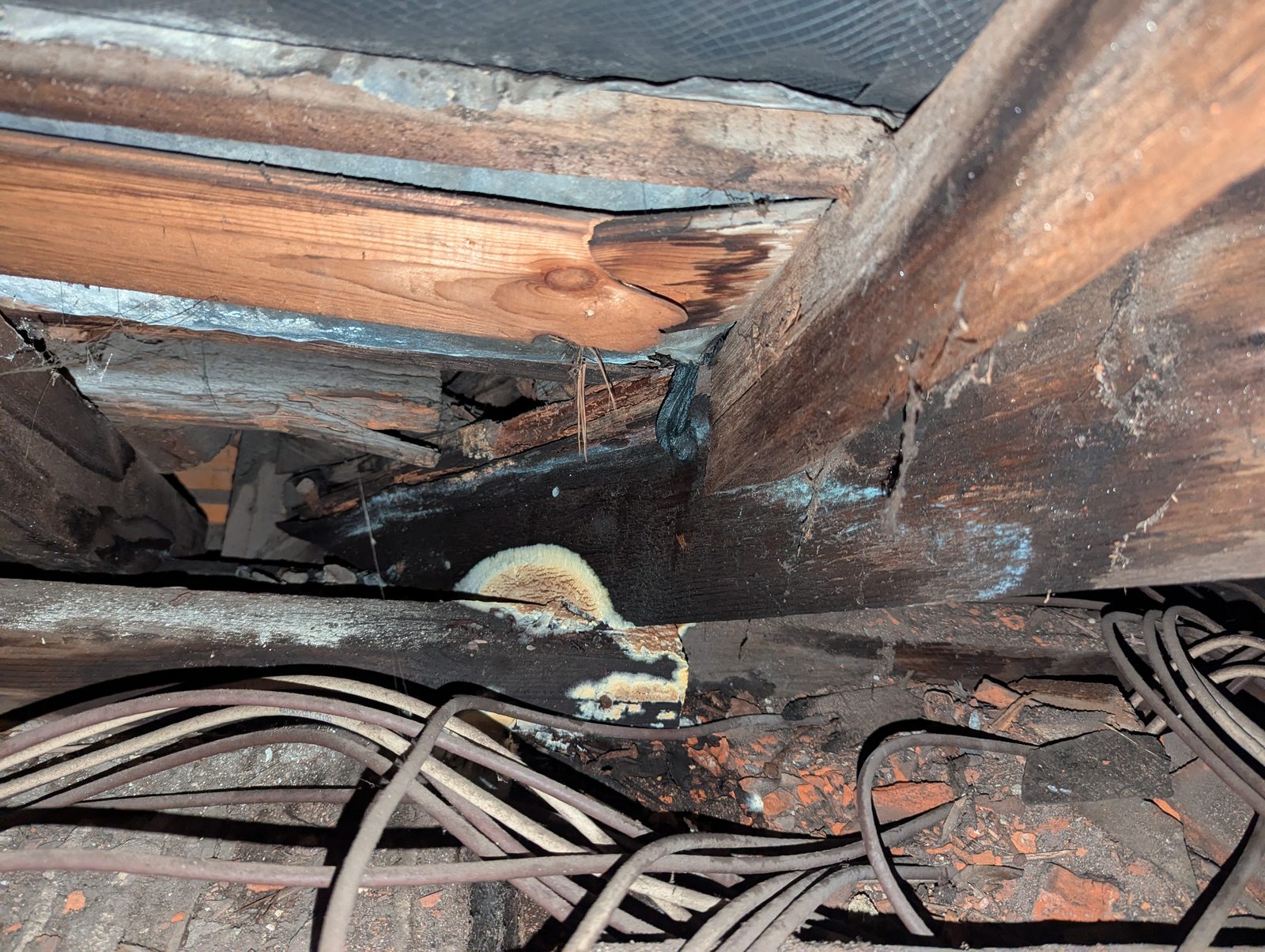
Wet rot, dry rot and woodworm affect structural timbers, floors and roof members. Dry rot in particular can spread and is costly to eradicate. A surveyor will note evidence of decay and recommend a specialist inspection where the extent cannot be confirmed visually.
Old or unsafe services
Dated electrical wiring, ageing boilers and old plumbing are common in period homes. A surveyor cannot test services but will flag anything that looks original, unsafe or near the end of its life, and recommend testing by a qualified electrician or heating engineer.
Japanese knotweed
This invasive plant can affect a property's value and, in some cases, its mortgageability. Where it is identified or suspected near the property, the report will flag it and recommend a specialist treatment plan, which lenders often require.
Unauthorised or poor alterations
Removed chimney breasts, knocked-through walls and extensions carried out without proper support or consent are a frequent and serious finding. They can mean structural risk, and they can also create legal problems if building regulations or planning approval were never obtained. Your solicitor should confirm the paperwork; your surveyor will flag the physical evidence.
Talk it through with a chartered surveyor.
Tell us about your property and we'll advise on the right survey honestly, then turn your report around fast.